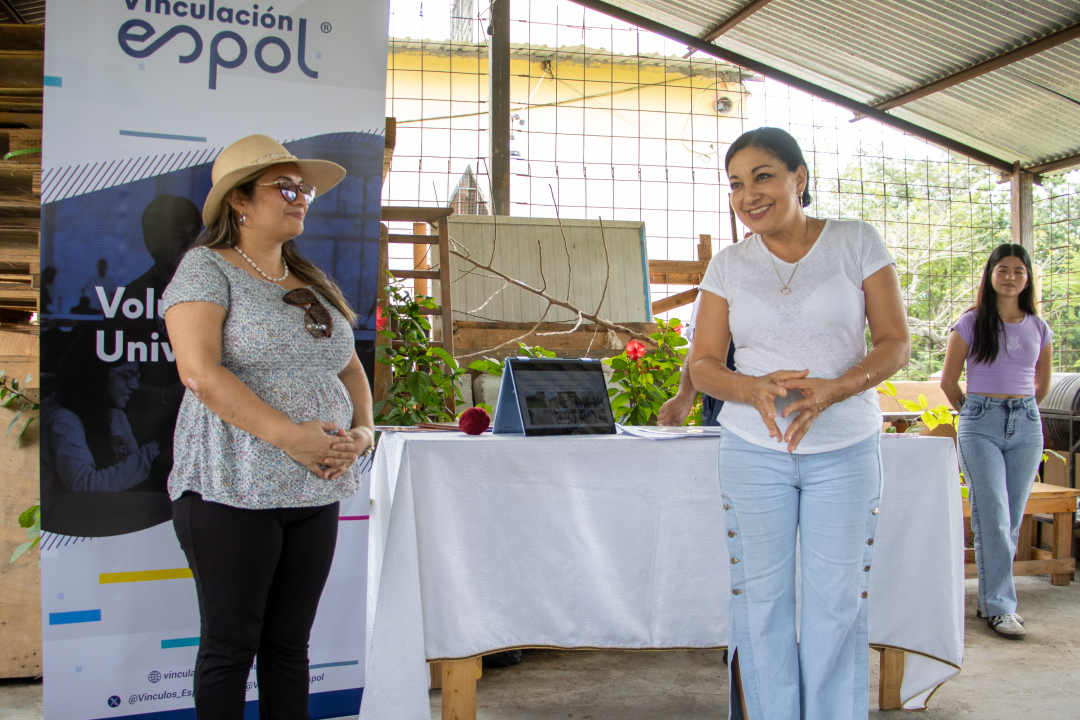


Committed to creating opportunities for sustainable development through education and collaborative work, the Escuela Superior Politécnica del Litoral (ESPOL), through its Faculty of Social Sciences and Humanities (FCSH), has launched Cancahuita Emprende, a university volunteer project that will benefit 25 women from the rural community of Cancahuita, in Santa Lucía canton, Guayas Province. The initiative offers a comprehensive program focused on personal development, vocational training, and entrepreneurial skills.
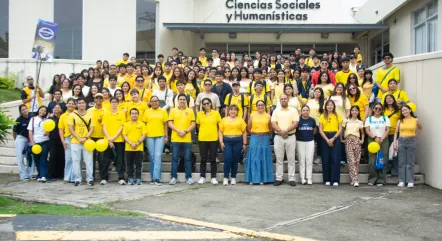
The project brings together 23 volunteers from the ESPOL community—including faculty members, students, administrative staff, and alumni from different academic units—who will dedicate six months to sharing their knowledge and experience to support the social and economic development of this rural community.
The volunteer team includes 12 students from the Tourism, Economics, Business Administration, Chemistry, Nutrition, and Graphic Design programs; five administrative staff members from the Human Resources Office, the Office of Community Engagement, and the FCSH; three faculty members from the Faculties of Social Sciences and Humanities, Natural Sciences and Mathematics, and Electrical and Computer Engineering; as well as three ESPOL alumni from the Chemistry, Auditing, and Nutrition programs.
The project's main objective is to strengthen the entrepreneurial capabilities of local women by providing training in affordable, income-generating trades that can help them create new sources of revenue while improving the well-being of their families and community.
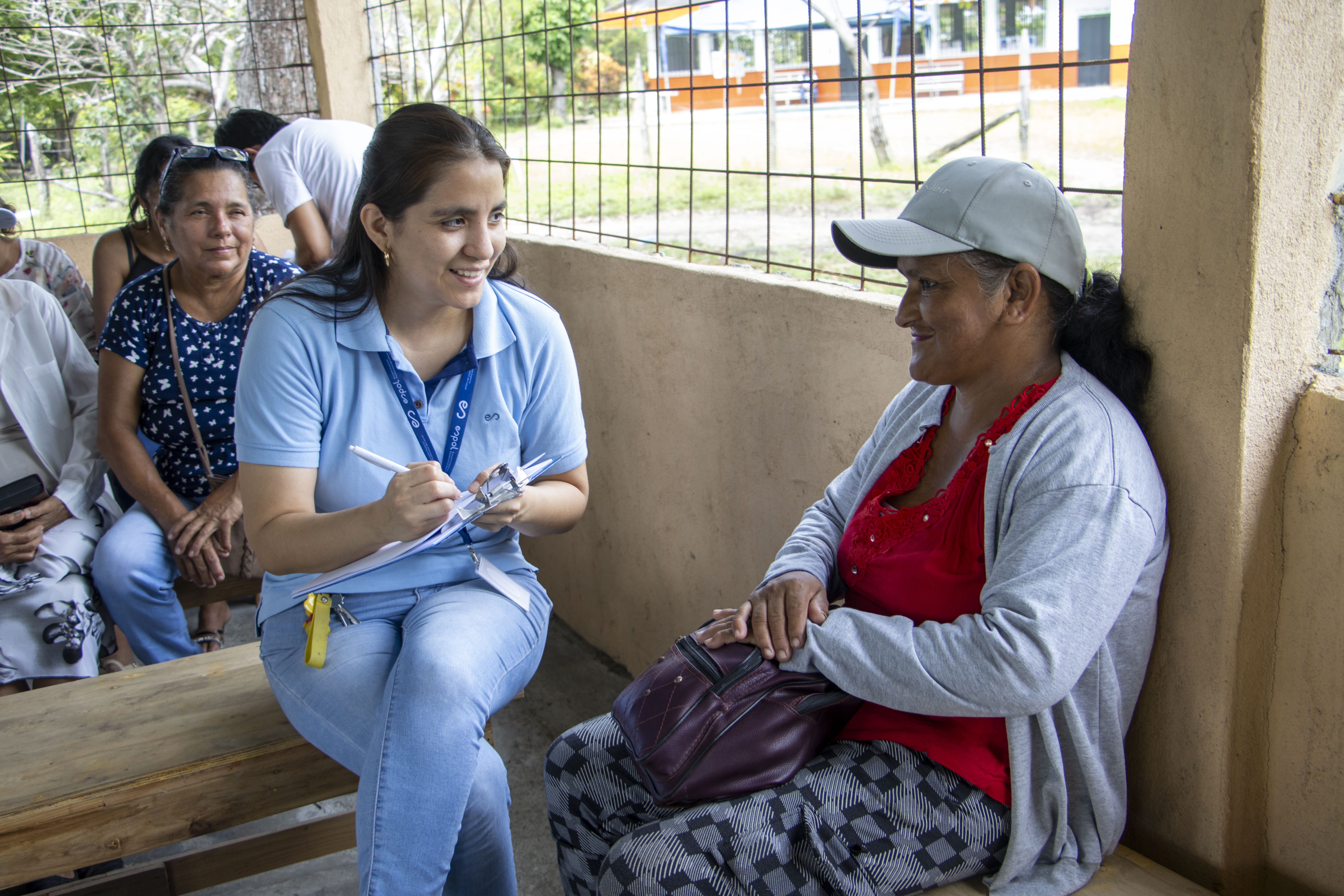
To achieve this goal, the project is structured around three complementary areas of intervention that promote women's development from a holistic perspective. The first focuses on leadership and personal growth through workshops on self-esteem, self-confidence, identity, and leadership. The second develops practical vocational skills through courses in beauty services, knitting, embroidery, the production of household cleaning products, and basic healthcare practices. The third component provides practical training in entrepreneurship, including the basic management and administration of small businesses.
Beyond technical training, the initiative promotes a volunteer model centered on social transformation. Its methodology combines a social capital approach—which strengthens collaborative networks among the community, ESPOL, Fundación Casa del Alfarero, the Municipality of Santa Lucía, and other local stakeholders—with a capacity-building strategy aimed at expanding participants' abilities to make informed decisions, launch businesses, and become active agents of their own development.
This approach seeks to move beyond traditional assistance models by creating sustainable opportunities for both personal and economic growth, equipping families with the skills and resources needed to address the social and productive challenges of their environment.
The project also provides an enriching learning experience for volunteers, helping them strengthen competencies such as leadership, interdisciplinary teamwork, empathy, and social responsibility.
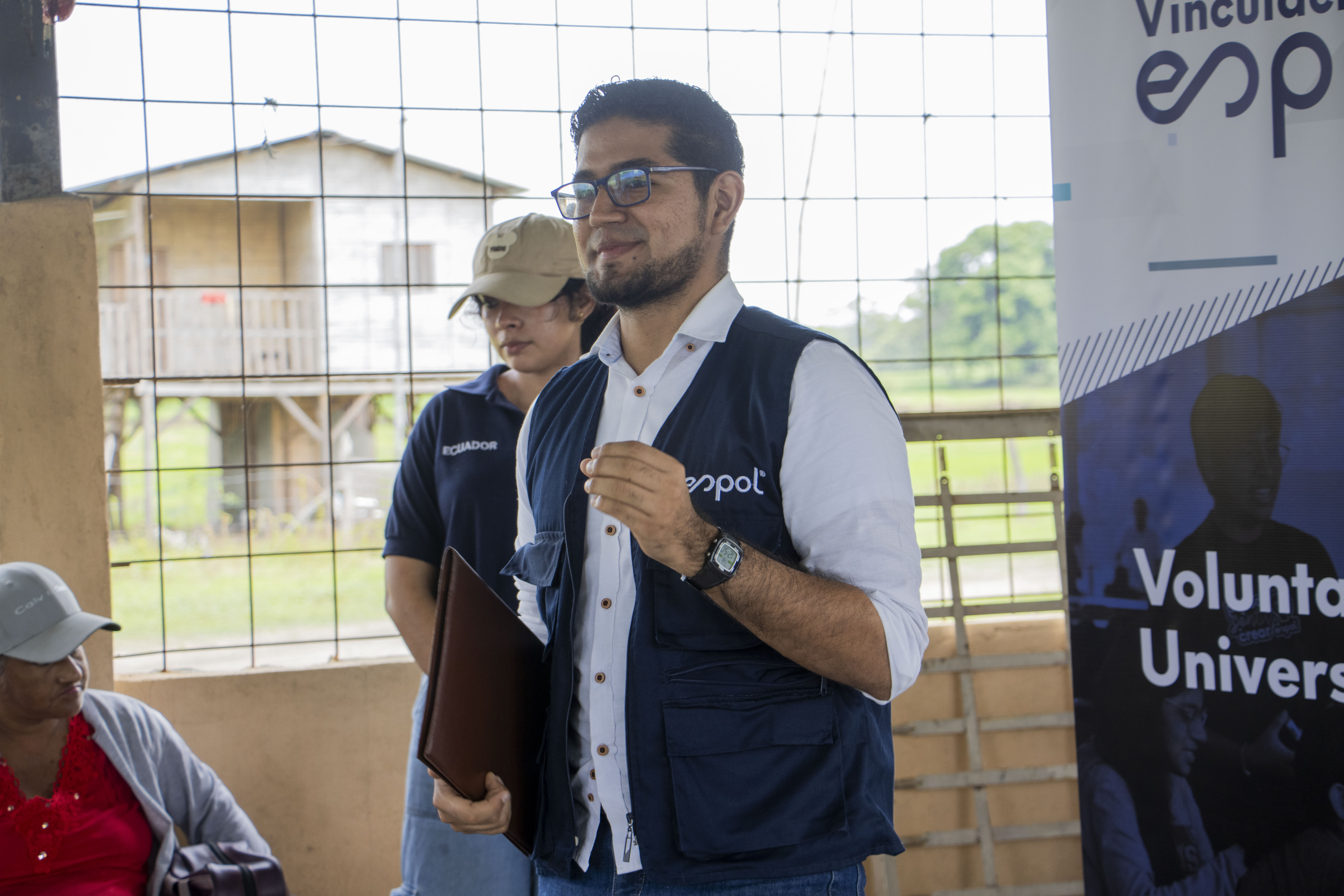
The initiative is led by Humberto Morán Rodríguez, faculty member at the FCSH, with the support of Christian Macías, from the Faculty of Natural Sciences and Mathematics, and Sharleen García, from the Faculty of Electrical and Computer Engineering.
Through this initiative, ESPOL reaffirms its commitment to community engagement and contributes to the achievement of the United Nations Sustainable Development Goals (SDGs), particularly SDG 4: Quality Education, SDG 5: Gender Equality, SDG 8: Decent Work and Economic Growth, and SDG 17: Partnerships for the Goals, promoting actions that transform lives and strengthen community development.