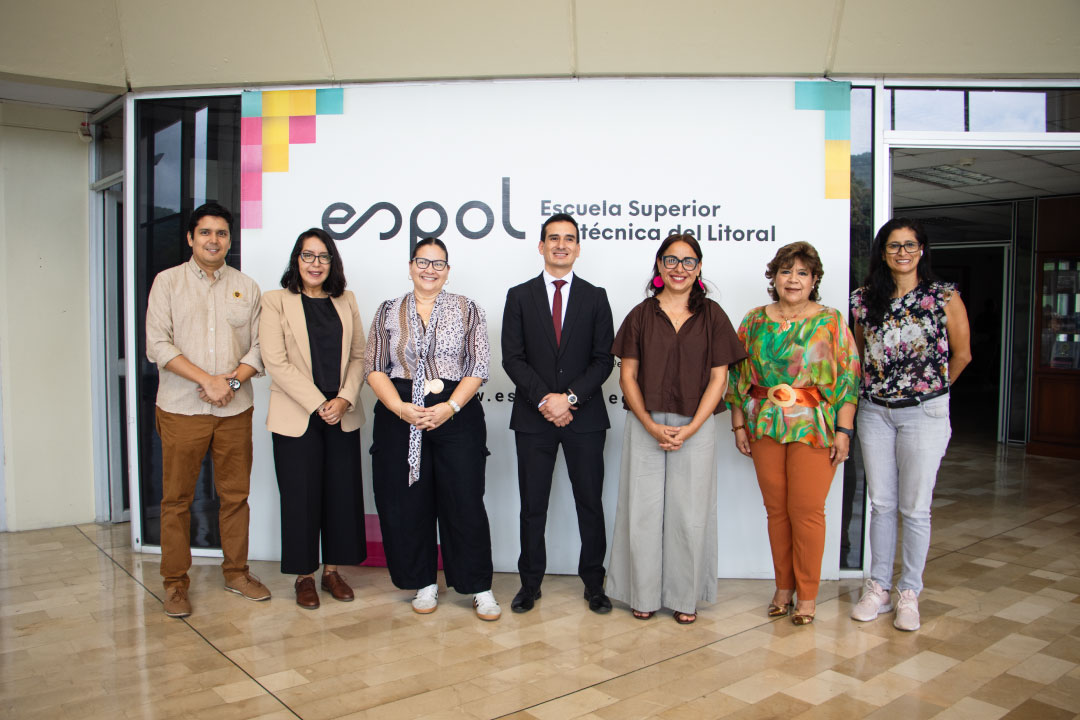


The Escuela Superior Politécnica del Litoral (ESPOL) and the Association of Ecuadorian Municipalities (AME) signed a framework agreement for inter-institutional cooperation, promoted by the Faculty of Social Sciences and Humanities (FCSH), to work together in the areas of training, research, innovation, and community engagement with local governments across the country.
The agreement connects the university’s students, professors, researchers, and units with AME’s activities, with an emphasis on the sectors where the association has a presence. Its goal is to strengthen the generation and application of knowledge and to contribute to Ecuador’s comprehensive development.
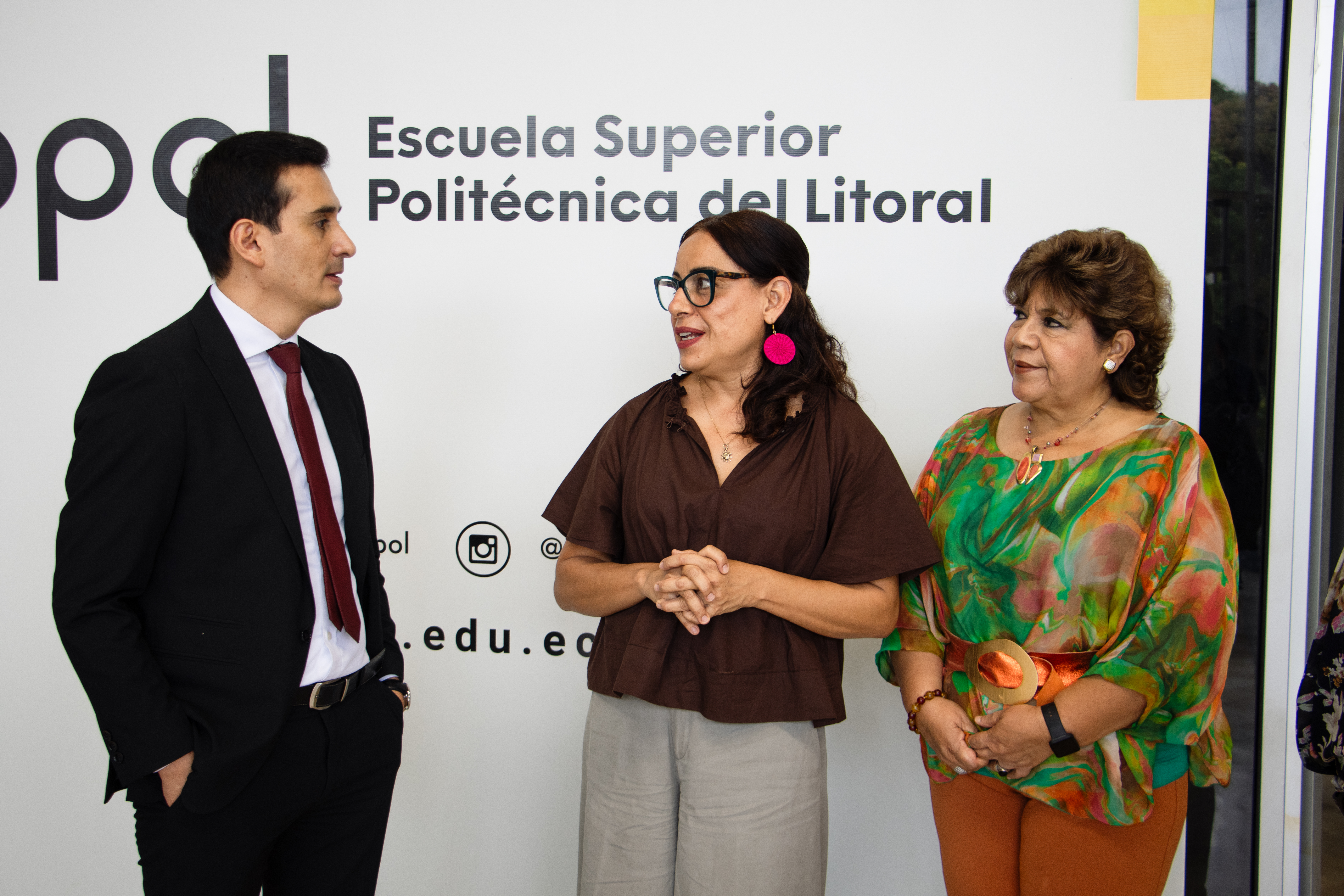
During the signing, ESPOL Rector Cecilia Paredes noted that both institutions face similar challenges and that the university has the mechanisms and talent to address them through a multidisciplinary approach. “We are here to collaborate, with real impact,” she said, and she encouraged both parties to work with a clear objective and to start from the data, because, she added, “there will always be ways to collaborate.”
For his part, Roberto Acosta, AME representative, highlighted the importance of breaking down barriers in the territory and bringing education to it. “We will make a great team,” he said. The signing was also attended by FCSH Dean Carla Ricaurte, Associate Dean Patricia Valdiviezo, and the academic coordinators of the Faculty’s programs.
As part of the commitments under the agreement, ESPOL may draft training, research, and community engagement proposals aligned with AME’s needs. It may also take part in training and continuing education programs, provide academic endorsement and project advisory support, and encourage professors and students to pursue research projects and thesis projects related to municipal responsibilities, as well as pre-professional internships.
AME, for its part, will encourage municipal public servants to take part in training programs and will make its infrastructure available at the national and regional levels. It may also open opportunities for students to participate in internships and community engagement projects.
Through this alliance, ESPOL and its Faculty of Social Sciences and Humanities strengthen their ties with the public sector and local communities, advancing the country’s sustainable development through education, research, and applied knowledge.